
The Importance of Ferrosilicon (FeSi) in Steelmaking(Pig Iron) and Foundry
The Importance of Ferrosilicon (FeSi) in Steelmaking(Pig Iron) and Foundry
Ferrosilicon (FeSi) is one of the most essential ferroalloys in today’s iron and steelmaking and foundry operations. Although it remains an “invisible” component in the final product, its impact is highly tangible: it supports consistent quality, stabilizes metallurgical processes, improves yields, and helps producers achieve demanding mechanical and technological properties. For industrial manufacturers, FeSi is not simply a raw material—it is a lever for performance and competitiveness.
What Is FeSi (Ferrosilicon)?
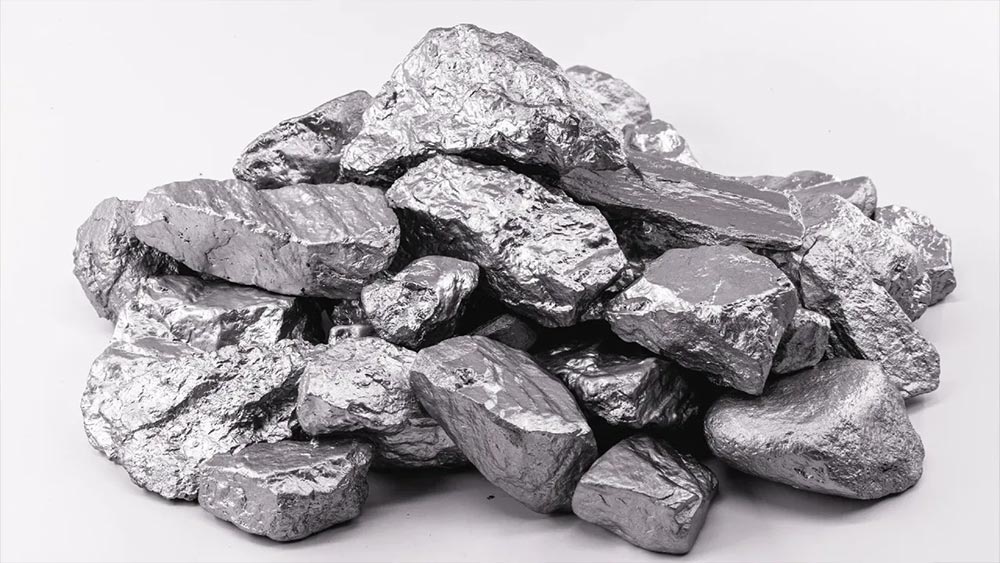
FeSi (Ferrosilicon) is an alloy of iron and silicon, typically produced in electric arc furnaces using quartz (SiO₂) and iron-bearing raw materials. It is commercially available in various grades depending on silicon content (commonly 65%, 70–75%, and other specifications) as well as different particle sizes (granulation). Both chemistry and granulometry are critical, because they directly influence dissolution behavior, reaction kinetics, and overall process efficiency in the furnace or ladle.
1) FeSi (Ferrosilicon) as a Deoxidizer: The Foundation of Clean, Stable Steel
One of the primary functions of ferrosilicon is deoxidation—removing dissolved oxygen from molten steel. Oxygen control is vital because it:
- reduces the risk of non-metallic inclusions and internal defects;
- improves ductility, impact toughness, and fatigue resistance;
- supports predictable casting and downstream processing behavior;
- helps achieve better surface quality and reduces rejection rates.
In practical business terms, this translates into direct benefits: less scrap, fewer customer claims, and more stable production KPIs.
2) FeSi (Ferrosilicon) – A Reliable Alloying Tool for “Designed” Properties
Silicon is a key alloying element in many steel grades. FeSi enables accurate silicon addition, influencing:
- strength and wear resistance;
- oxidation resistance at elevated temperatures;
- electrical performance (in specific steel classes);
- machinability and heat-treatment response.
In sectors such as mechanical engineering, energy, transportation, and construction—where compliance with strict standards is non-negotiable—precise chemical control is crucial. FeSi helps producers meet target specifications without compromising productivity.
3) FeSi (Ferrosilicon) in Foundries: Inoculation and Microstructure Control in Pig Iron
In gray iron and ductile (nodular) iron production, ferrosilicon is widely used as an inoculant and modifying agent. Its role is to support the formation and uniform distribution of graphite, which is critical for:
- mechanical properties (strength, hardness, impact performance);
- reducing shrinkage-related defects;
- improving machinability;
- achieving more consistent results between heats and batches.
For foundries, this means fewer process surprises, more reliable castings, and better control of additive consumption.
4) FeSi (Ferrosilicon) Economic Value: Higher Yield and a Lower “Cost of Quality”
From a business perspective, FeSi (Ferrosilicon) is a classic example of a material that affects total cost far beyond its unit price. That’s because it influences the most expensive issues in metallurgical production: process instability, defects, rework, delayed deliveries, and quality losses.
Selecting the right FeSi (by grade, cleanliness, and particle size) supports:
- improved metallurgical yield;
- reduced consumption of corrective additions;
- optimization of energy and processing time;
- faster and more predictable achievement of target chemistry.
5) Why Specification Matters: What to Check When Selecting FeSi (Ferrosilicon)
To deliver measurable results, FeSi must be specified and controlled professionally. The most important selection criteria typically include:
1. Chemical composition and cleanliness
- silicon content aligned with process needs;
- controlled impurities (depending on application), which can influence inclusions, slag formation, and final properties.
2. Particle size (granulation)
- appropriate sizing for the chosen addition method (furnace/ladle/feeding systems);
- minimized fines/dust and reduced operational losses.
3. Batch-to-batch consistency
- stable quality from shipment to shipment;
- reliable documentation and traceability.
4. Packaging, handling, and storage
- dry storage and moisture control (moisture increases risk and material losses);
- packaging options aligned with operational flow (big bags, bulk, sacks).
6) FeSi (Ferrosilicon) Industry Trends: Efficiency and Sustainability
As the industry faces increasing pressure to improve energy efficiency and reduce emissions, stable metallurgical processes become even more valuable. In this context, FeSi has a real—although indirect—sustainability impact: lower scrap and reduced rework mean less energy consumed per ton of good product. More companies now view ferroalloy quality as part of their broader operational optimization strategy—both technical and economic.
Conclusion
FeSi (ferrosilicon) is a strategic material for steelmaking and foundry production—simultaneously a metallurgical “key” and an economic factor. It directly influences metal cleanliness, microstructure, mechanical properties, and process stability, while reducing the total cost of quality. For producers aiming at consistency, high standards, and optimized consumption, ferrosilicon is not an expense—it is an investment in control and performance.
If you are preparing specifications, optimizing current practice, or targeting more consistent supply quality, focusing on the right FeSi is one of the most efficient steps toward measurable results.